Pulling It All Together: Everyday Design Rules
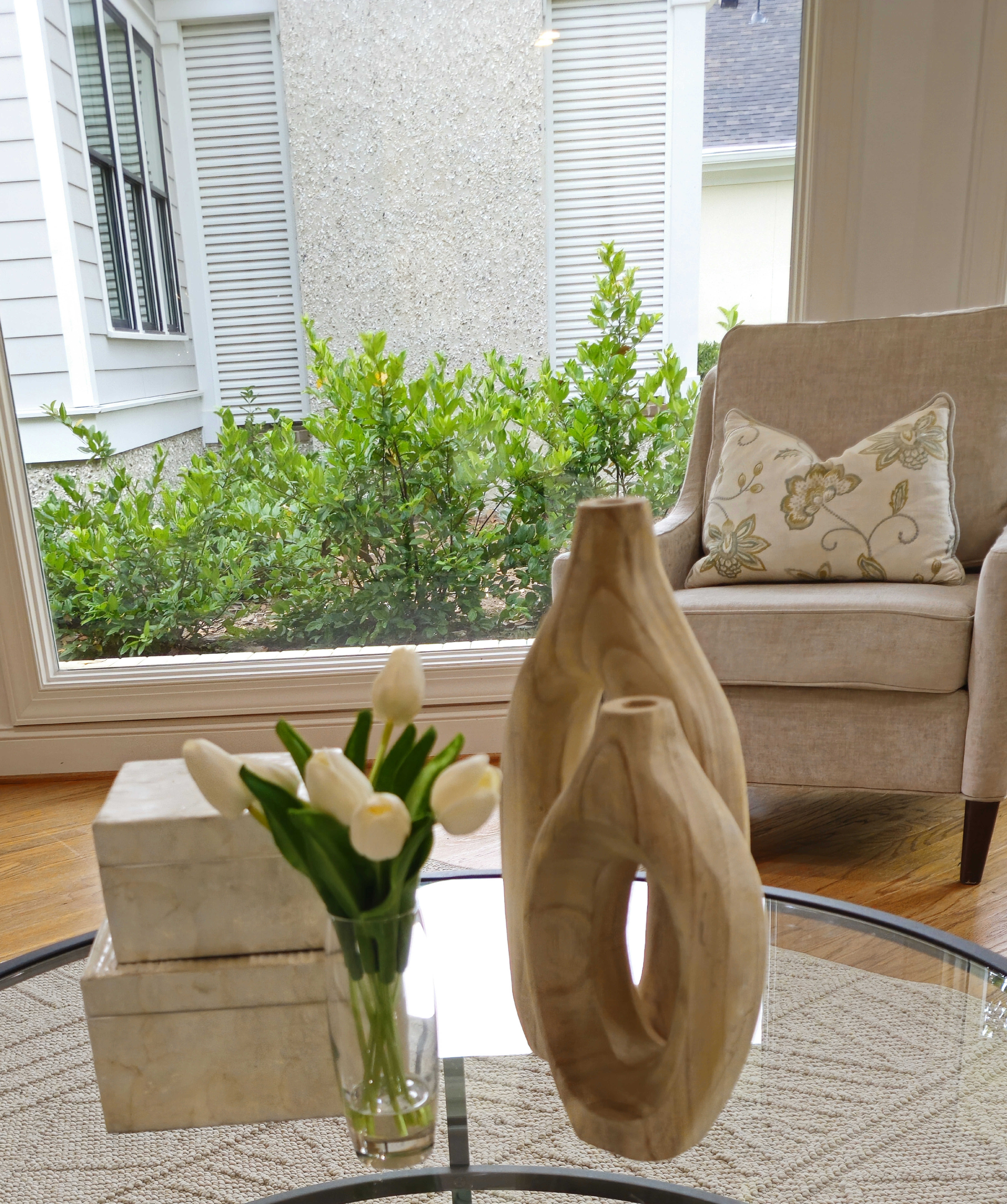
Ever look around your home and think, I want to transform this space, but where do I even start?
In today’s world, more and more homeowners are embracing the DIY mindset, eager to refresh their spaces without a full-scale renovation. Here are some simple, effective tips to help move forward with confidence.
Balance: Think of balance as visual weight. You don’t want one side of the room doing all the heavy lifting. If you’ve got a big sofa on one side, offset it with a pair of chairs, a bold lamp, or a coffee table that holds its ground. The goal? A room that feels steady and grounded.
Rhythm: This is what keeps the eye moving around a space. You create rhythm by repeating colors, shapes, or patterns, like a couple of blue throw pillows on the sofa, an art piece with the same shade, and a vase that pulls it all together. It builds flow.
Emphasis: Every room needs a focal point. Maybe it’s the fireplace, a chandelier, or an oversized piece of art. The rest of the room should not compete for attention.
Proportion + Scale: Proportion is about how pieces relate to each other, while scale is about how they fit the room. A tiny rug floating in a giant living room? Pass. A rug that anchors the whole seating area? That’s the goal.
Harmony: Harmony is what makes a room feel pulled together instead of pieced together. It’s when colors, textures, and styles complement each other so the space feels effortless and intentional.

Transforming Your Space
Start with a Plan
Measure your space and think about how it should function. A quick plan prevents overcrowding and avoids awkward empty spots.
Pick a Color Palette
Stick to 2–3 colors for a cohesive, look. Soft blues with warm neutrals, for example, create a calm, inviting vibe.
Mix Textures
Layer wood, metal, and soft fabrics for depth and visual interest. Think fabric sofa, wooden tables, and metallic accents.
Layer Lighting
Combine ambient, task, and accent lighting. Layered lights add warmth, dimension, and a welcoming feel.
Add Personal Touches
Display items that tell your story: vintage finds, books, or photos to make your space feel uniquely yours.

What is the 60/30/10 Rule in Interior Design?
The dominant color, covering about 60% of the room. This is usually the walls, large furniture, or flooring.
The secondary color, making up around 30%. Think of smaller furniture pieces, curtains, or rugs.
The accent color, about 10%. This is where you add pops of color with pillows, artwork, or accessories.
Have fun with it! And if you ever need a hand, we are just a call away.

