How Interior Paint Colors Affect the Sale of Your Home
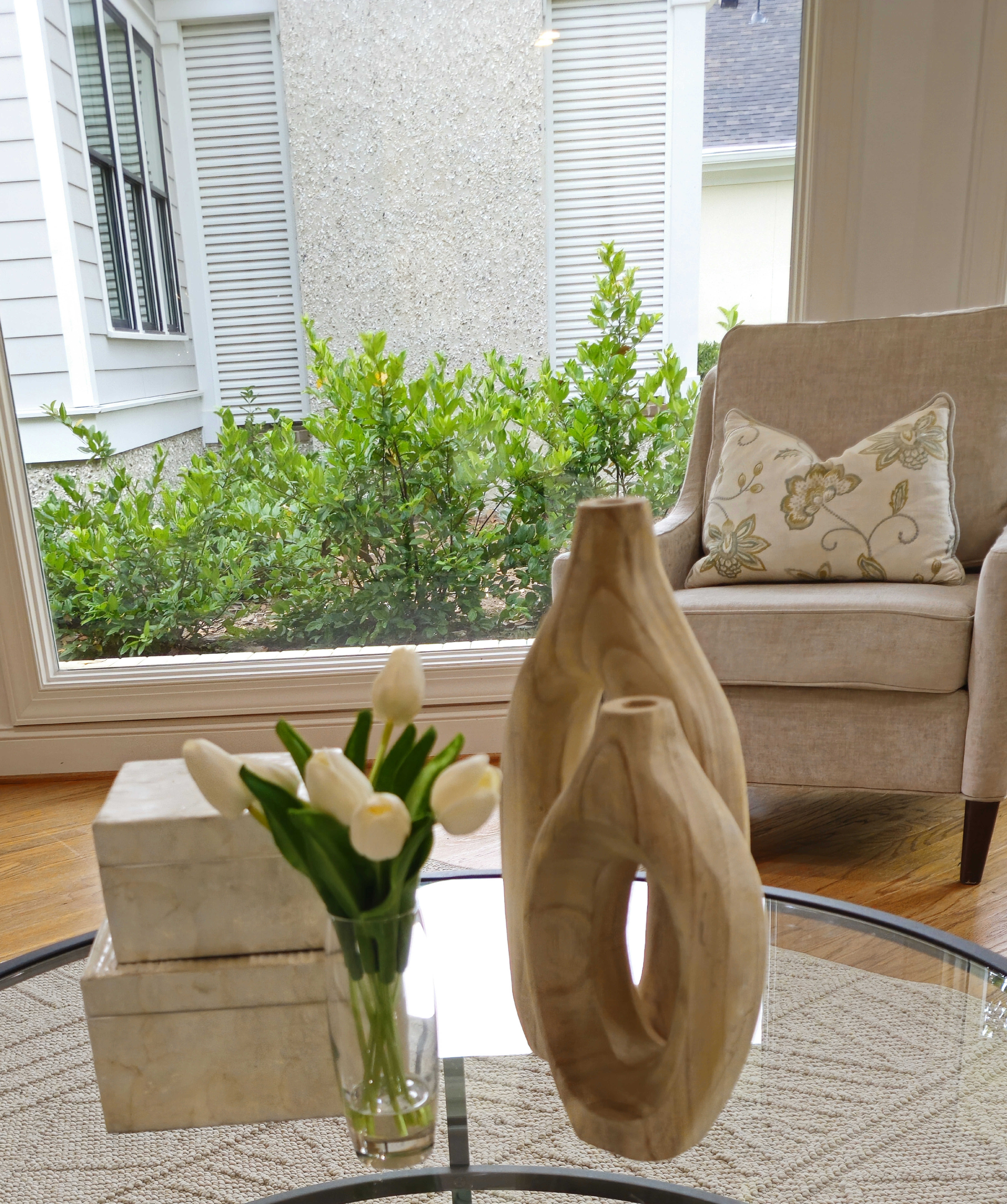
Color-heavy homes can create an emotional disconnect that slows down or even stops a sale.
Buyers feel it. Their emotional response in the first 7-10 seconds can make or break their interest. When paint colors are too strong or varied, buyers struggle to imagine themselves living there.
How Buyers Experience Color in Homes
Buyers move through spaces emotionally, asking themselves:
Can I picture my furniture here?
Does this feel comfortable?
Could I settle into this space?
When paint colors are strong and personalized, buyers start evaluating it. Thoughts like “I’d have to repaint this” or “That color is overwhelming
Even if they like the color, it becomes a decision point. Decision points create hesitation, and hesitation may slow down the sale.
The Problem with Multiple Bold Colors
One of the biggest issues in color heavy homes is that each room often tells a different story:
A bold dining room with deep reds
A moody bedroom painted dark blue
A bright accent wall in the living room
A colorful kids’ room with playful hues
While each room may look great on its own, together they create visual noise. Buyers move from room to room constantly resetting their emotional response. This lack of cohesion can make the home feel:
Smaller than it really is
Busier and more cluttered
Harder to mentally “own” or picture living in
Neutral colors don’t mean boring. They mean connected. A consistent, calm palette helps buyers flow through the home and imagine their life there.
Color Fatigue During Showings
Homes with strong colors start to blur together for the wrong reasons. Buyers remember them as:
“The one with the red room”
“The house with all the different colors”
“The one that felt like a lot”
Calm, neutral homes don’t always stand out visually, but they stand out emotionally. They feel more livable.
Practical Tips for Sellers
If you want your home to connect emotionally with buyers, consider these tips:
Choose neutral paint colors for main living areas like the living room, kitchen, and hallways. Shades of beige, gray, or soft whites work well.
Create a cohesive color story throughout the home. Avoid jumping from one strong color to another in different rooms.
Freshen up old paint with a clean, neutral coat before listing your home.
Stage rooms with neutral furniture and decor to help buyers imagine their own belongings in the space.
Examples of Emotional Disconnect
Imagine walking into a home where the living room walls are bright orange, the kitchen is painted lime green, and the bedroom is deep purple. Instead of feeling relaxed or curious, you might feel overwhelmed or distracted. Your mind starts thinking about repainting or whether your furniture will clash. That emotional barrier makes it harder to picture yourself living there.
On the other hand, a home painted in soft gray tones with warm white trim invites you in. You feel calm and open to imagining your life in the space.
Homes with strong paint colors don’t always lose buyers but they do add risk before potential buyers even get a chance to imagine living there. Neutral, cohesive color schemes help buyers feel comfortable and connected.

