The Role of Lighting in Effective Home Staging
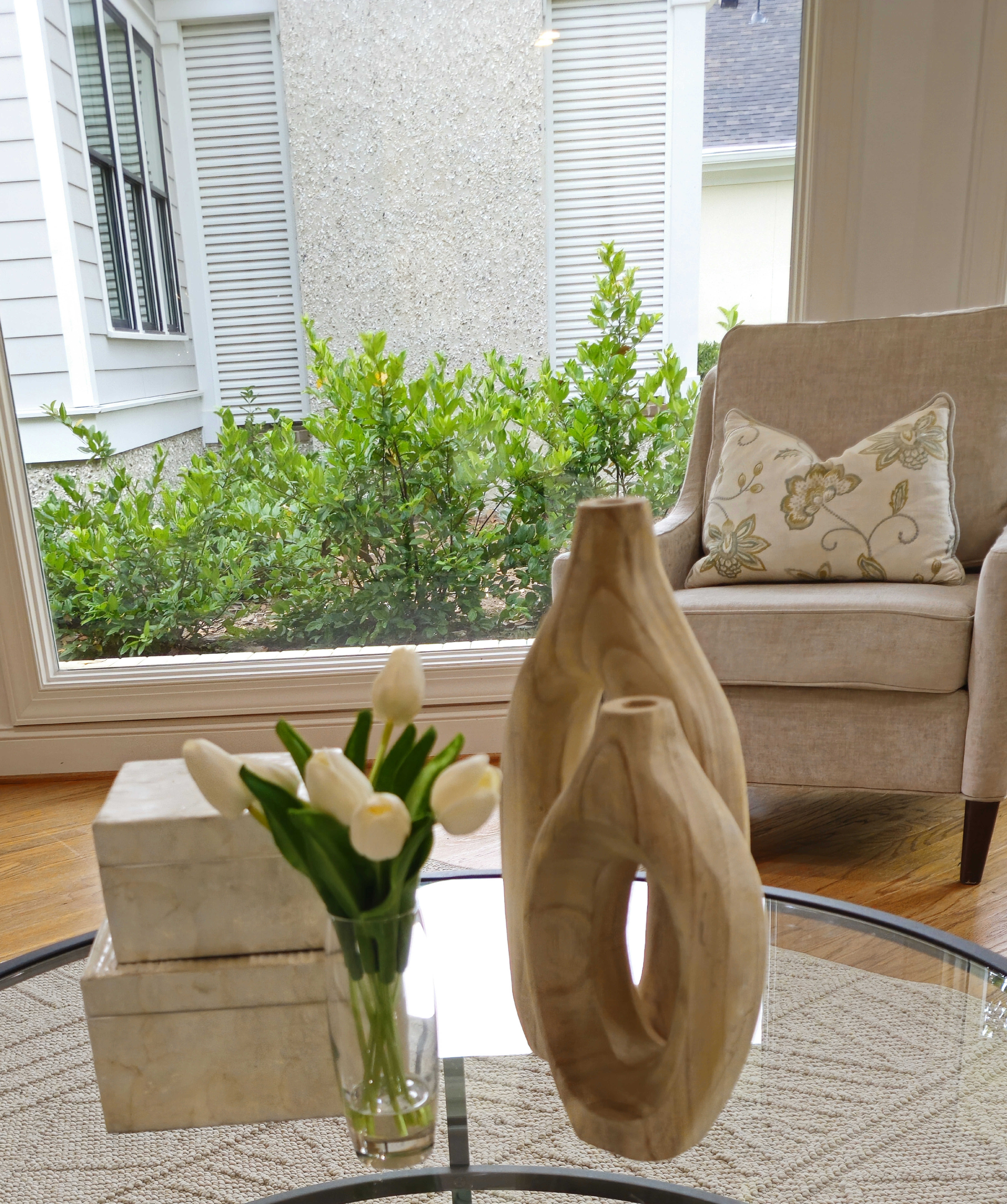
The Role of Lighting in Effective Home Staging. When preparing a home for sale, many focus on paint colors, furniture arrangement, and curb appeal which is important, yet, one of the most powerful tools in home staging often goes overlooked: lighting. While natural light is a top priority, understanding lighting and their qualities affect a space can dramatically improve how potential buyers perceive a home. This post explores why lighting matters in real estate, and clarifies how color temperature, measured in kelvins, influences mood and appeal.

Lighting in Home Staging: Less About Fixtures, More About Consistency
Staging isn’t about turning on every light in the house. It’s about creating a space that feels bright, natural, and effortless. Most of the time, natural light does the heavy lifting. But when lights are used, they need to work together.
Lighting mistakes are subtle, but buyers feel them immediately.
Natural Light Comes First
Before any lamp or switch is touched:
Shades up
Blinds fully open
Curtains pulled wide
Windows are an asset. Covering them even partially cuts into a home’s perceived size and energy. If there’s daylight available, use it.
When Lights Are On, Consistency Is Non-Negotiable
In staging, mismatched bulbs are one of the fastest ways to cheapen a space.
Every visible bulb should be the same color temperature
No mixing warm, neutral, or cool light in the same room or the same sightline
One off-tone bulb can throw the entire space off
Buyers may not know why a room feels wrong, but inconsistent lighting is often the reason.
Kelvin: The Only Number That Matters
Kelvin (K) measures the color of light, not brightness. This is where most homes go wrong.
For staging, keep it simple:
2700K–3000K (warm light): Best for living rooms, bedrooms, and main living spaces
3000K–3500K (soft neutral): Ideal for kitchens, bathrooms, and open-concept homes
Cool bulbs (4000K+) read harsh and clinical on camera and should be avoided in staged spaces.
Why Matching Kelvin Matters
Different color temperatures fight each other. The result:
Walls look discolored
Finishes feel off
Rooms lose cohesion in photos
Consistent kelvin:
Feels calm and intentional
Keeps colors true
Makes listing photos look clean and elevated
Staging Rule of Thumb
Use natural light whenever possible
Turn lights on only when they add clarity, not drama
If lights are on, every bulb must match
This applies to:
Lamps
Overhead fixtures
Vanity lights
Adjacent rooms visible from one another
A Quick Checklist for Realtors & Homeowners
Before photos or showings:
Replace burnt-out bulbs
Match all bulbs by kelvin (check the box—don’t guess)
Clean fixtures and lampshades
Open every window covering
Bottom line: Lighting in staging isn’t about brightness, it’s about balance. Open the windows, let natural light lead, and when artificial lighting is used, keep the temperature consistent. That’s how homes feel cohesive, calm, and ready to sell.

