Tips for Transforming Your Space
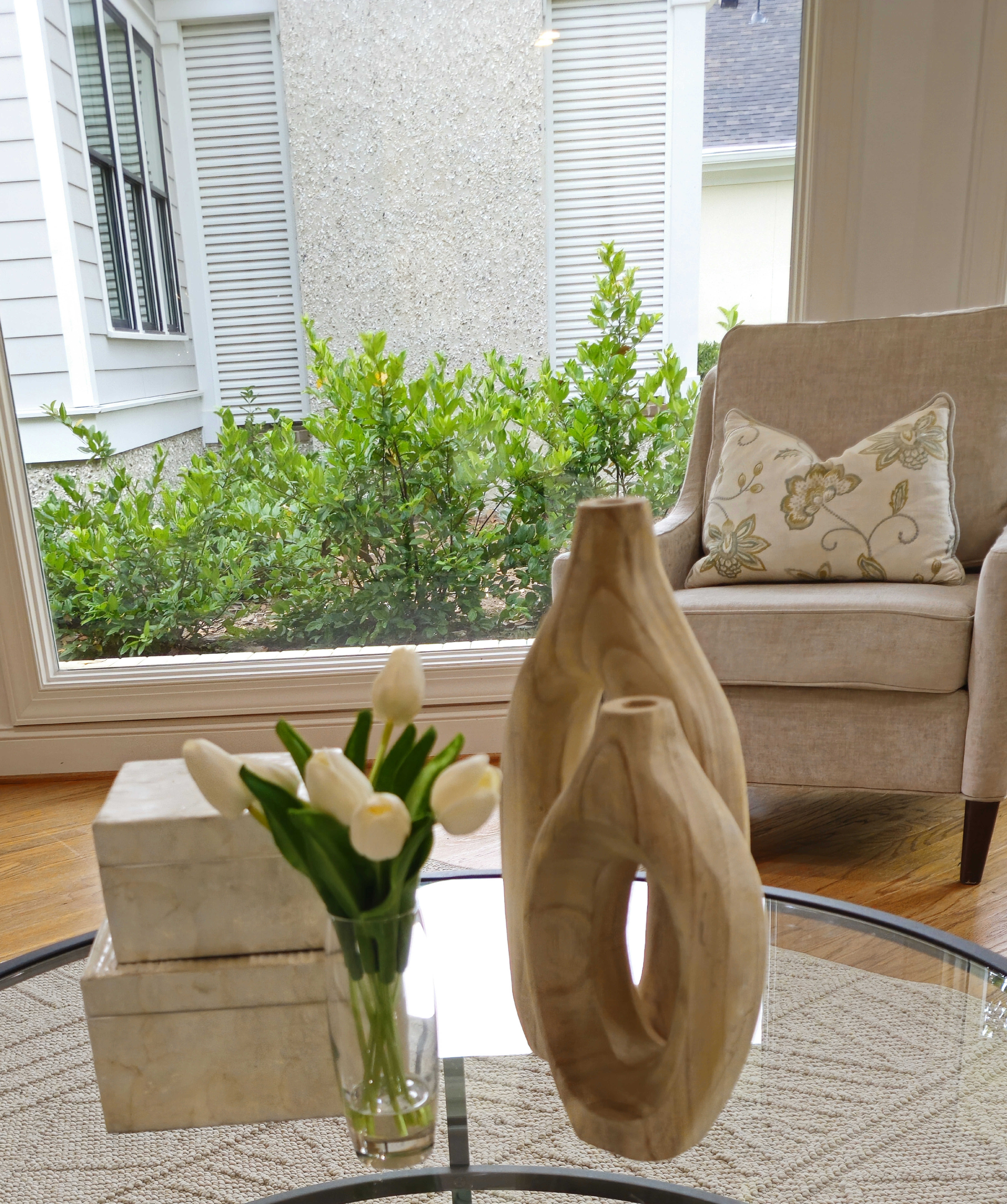
Have you ever looked around your home and thought, “Something’s just not clicking”? The good news is, giving your space a fresh feel doesn’t have to be a huge, stressful project. Whether you’re just zhuzhing up a corner or reworking an entire room, a few easy tweaks can totally change the way your home feels.
Easy Ideas to Refresh Your Space
Here are some easy ideas:
Add pops of color: A splash of vibrant cushions, rugs, or artwork can instantly brighten a room.
Think accent lighting that instantly sets the mood, or cordless wall sconces that add style and function without the headache of wiring. These little touches not only elevate your space but also make it feel warm, inviting, and totally pulled together.
Bring in nature: Houseplants not only look great but also improve air quality.
Furniture placement: The way you place your furniture can completely transform a room, unlocking flow, creating cozy zones, and highlighting your favorite features.
Ask yourself: How do I want this space to feel? Do you want it open and airy, or cozy and intimate? Moving just one or two key pieces- like pulling the sofa away from the wall or angling a chair toward a conversation area can make a huge difference.
Think about creating layers too. A console behind a sofa, a small accent chair tucked into a corner, or a rug that defines a seating area can make your room feel intentional and polished.
Use mirrors: They reflect light and make rooms appear larger.
How to Choose the Right Colors and Textures
Picking the right colors and textures can make or break your design. Here’s how to nail it:
Start with a neutral base: Whites, beiges, or soft grays create a calm backdrop.
Add layers of texture: Think velvet pillows, woven rugs, or wooden furniture to add depth.
Use the 60-30-10 rule: 60% dominant color, 30% secondary, and 10% accent color.
Consider the mood: Blues and greens are calming, while reds and yellows energize a space.
Don’t be afraid to mix and match textures. A smooth leather chair paired with a fluffy throw can create a beautiful contrast that’s both stylish and inviting.
Furniture Placement Tips
Furniture placement can totally change how a room feels and functions. Here are some tips to get it right:
Create conversation areas: Arrange seating so people can easily talk.
1. Walkways: 30–36 inches is standard for main paths. Narrower hallways can sometimes get away with 28 inches, but 30+ is more comfortable.
2. Seating Areas (sofa to coffee table): 16–18 inches is typical, close enough for functionality, far enough to avoid crowding.
3. Side Tables: 2–4 inches from sofa to chair arms is standard for easy access without feeling cramped.
4. Dining Areas (table to wall/furniture): 36 inches minimum is recommended for chairs to pull out comfortably, 48 inches gives even more room.
5. Rugs: In seating areas, have all the front legs on the rug, and in bedrooms, let the rug extend under the bed and nightstands. This creates a balanced, pulled-together look. For smaller rugs or minimalist spaces, all legs off can work also, it’s all about what feels right for your room.
Use multi-functional pieces: Ottomans with storage or fold-out tables save space and add utility.
Don’t block natural light: Keep windows clear to let natural light in.
How to Use Accessories to Elevate Your Design
They add personality and style. Here’s how to use them wisely:
Layer your lighting: Combine floor lamps, table lamps, and candles for ambiance.
Display art and photos: Personal touches make a house feel like home.
1. Go natural: Adding wood accents, greenery, or woven pieces instantly makes a room feel warmer and more inviting.
2. Nature indoors: A few plants or natural textures can bring life and balance to any space.
3. Warm it up: Incorporate materials like rattan, jute, or wood to give your room character and a grounded, cozy feel.
4. Texture matters: Layer in natural elements: wooden trays, woven baskets, or leafy plants to make your space feel alive and pulled together.
Rotate seasonally: Swap out accessories to keep your space feeling fresh year-round.
Remember, less is more. Choose pieces that speak to you and complement your overall design.

